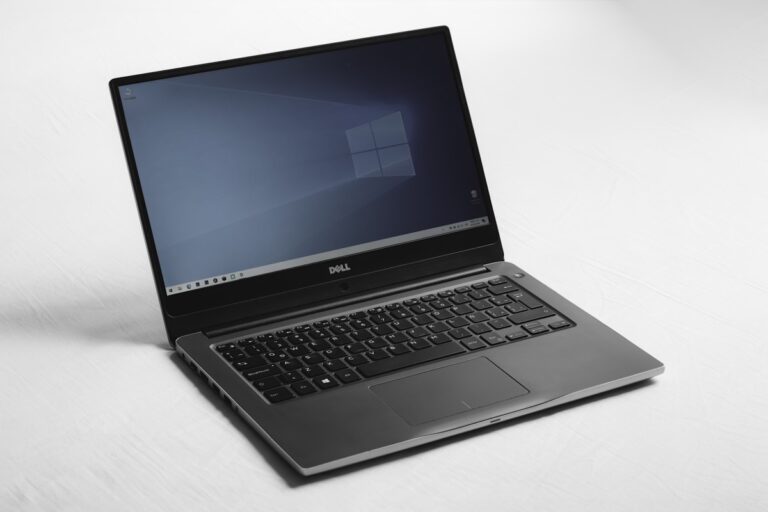
MacBook Overheating? 10 Quick Fixes
Quick Fix
Close resource-heavy applications by pressing Command+Option+Esc to Force Quit problematic apps. Check Activity Monitor for processes using high CPU and quit them. Ensure your MacBook is on a hard, flat surface with ventilation and not on soft materials like blankets or pillows.
Understanding the MacBook Overheating Issue
MacBooks are designed to run warm during intensive tasks, but excessive heat can indicate a problem. Normal operating temperatures range from 50-75°C (122-167°F), while temperatures above 90°C (194°F) under normal use suggest overheating.
Common causes include dust buildup in vents, running too many applications, malware, outdated macOS, failing thermal paste, or environmental factors like direct sunlight. Prolonged overheating can reduce battery life and potentially damage internal components.
This guide helps you identify and resolve MacBook overheating issues across all models including MacBook Air and MacBook Pro.
Method 1: Close Resource-Heavy Applications
- Press Command + Option + Esc to open Force Quit window
- Identify applications using excessive resources (often shows “not responding”)
- Select the app and click Force Quit
- Open Activity Monitor from Applications > Utilities
- Click the CPU tab and sort by % CPU
- Quit processes using more than 80% CPU that you don’t need
Method 2: Check and Manage Browser Tabs
- Browsers with many tabs consume significant CPU and memory
- Close tabs you’re not actively using
- Use browser extensions like The Great Suspender to pause inactive tabs
- Disable auto-playing videos in browser settings
- Consider using Safari which is optimized for macOS efficiency
Method 3: Reset SMC (System Management Controller)
- Shut down your MacBook completely
- For Intel Macs with T2 chip: Hold Shift+Control+Option on the left side, plus Power button for 10 seconds
- Release all keys and wait a few seconds
- Press the Power button to turn on
- For Apple Silicon Macs: Simply shut down and wait 30 seconds, then restart
- SMC reset can resolve fan and thermal management issues
Method 4: Update macOS
- Click the Apple menu > System Settings
- Click General > Software Update
- Install any available updates
- Updates often include thermal management improvements
- Restart your MacBook after updating
Method 5: Improve Ventilation
- Place your MacBook on a hard, flat surface
- Never use it on beds, pillows, or soft surfaces that block vents
- Consider a laptop stand or cooling pad
- Ensure at least 2 inches of clearance around the device
- Avoid direct sunlight and hot environments
Method 6: Clean the Vents and Fans
- Shut down your MacBook and unplug it
- Use compressed air to blow dust out of the vents (located on the hinge area)
- Hold the can upright and use short bursts
- For thorough cleaning, consider professional service to open and clean internal fans
- Clean vents every 6-12 months in dusty environments
Method 7: Check for Malware
- Malware can cause excessive CPU usage and overheating
- Download and install Malwarebytes for Mac (free version)
- Run a full system scan
- Remove any detected threats
- Restart your MacBook after cleaning
Method 8: Reduce Login Items
- Click Apple menu > System Settings
- Click General > Login Items
- Review items in the Open at Login section
- Click the minus (-) button to remove unnecessary items
- Fewer startup items means less background CPU usage
Preventing Future Issues
- Regularly check Activity Monitor for runaway processes
- Keep macOS and all applications updated
- Clean vents periodically with compressed air
- Use your MacBook on proper surfaces with good ventilation
- Close applications you’re not using
- Consider using Turbo Boost Switcher to disable Turbo Boost for cooler operation
FAQ
What temperature is too hot for a MacBook?
Temperatures consistently above 90°C (194°F) during normal tasks indicate a problem. During heavy workloads like video rendering, up to 100°C briefly is within spec but not ideal.
Why does my MacBook get hot doing nothing?
Background processes, browser tabs, malware, or Spotlight indexing can cause heat even when idle. Check Activity Monitor to identify the culprit.
Do cooling pads actually help MacBooks?
Cooling pads provide modest improvement, especially for older MacBooks or during sustained heavy use. They’re more effective as laptop stands for better airflow than for active cooling.
Can overheating damage my MacBook permanently?
macOS throttles performance to prevent damage, but prolonged overheating can degrade battery health and potentially affect other components over time.
Should MacBook fans run constantly?
No, fans should be quiet during light tasks. Constant fan noise indicates the system is working hard to cool down, suggesting an underlying issue.
How do I check my MacBook’s temperature?
macOS doesn’t show temperature by default. Use free apps like Fanny (menu bar) or iStat Menus (paid) to monitor CPU temperature.